


This project involved creating a brand new, modern, responsive website to showcase the services offered and portfolio of a local building firm.

I was recently approached by a company who needed help setting up a new accounting and order management system.

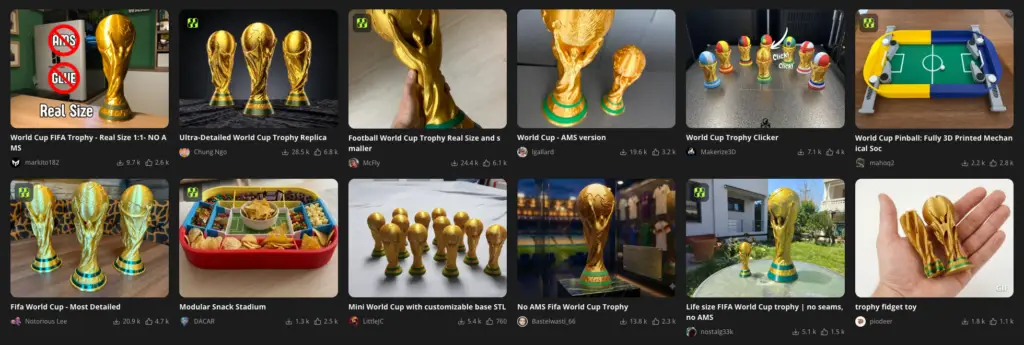
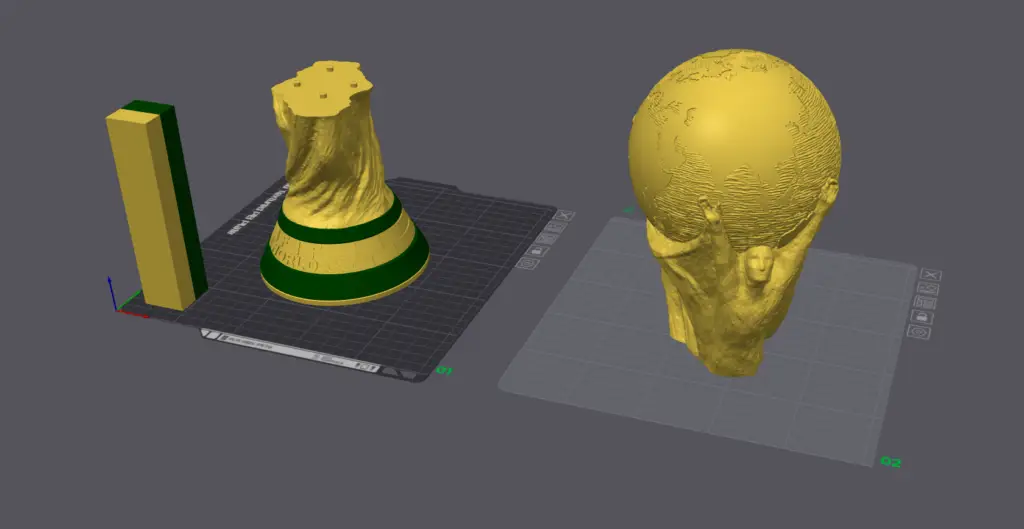
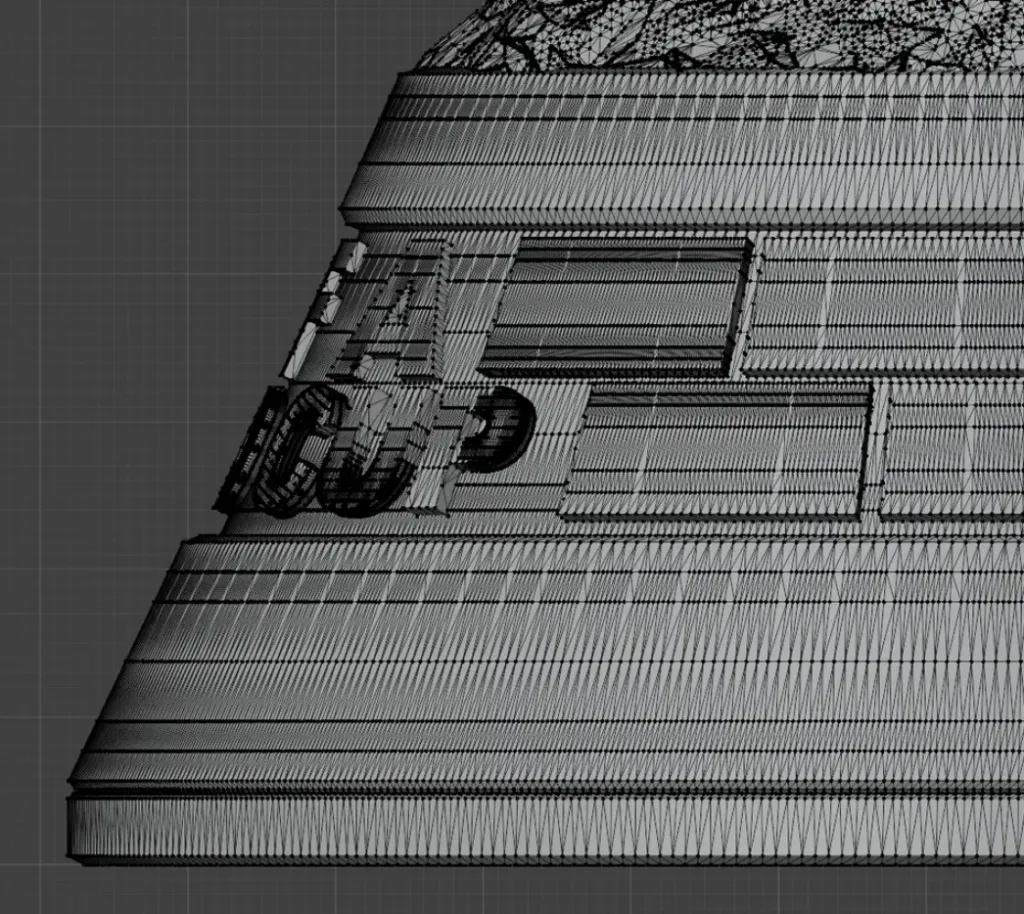
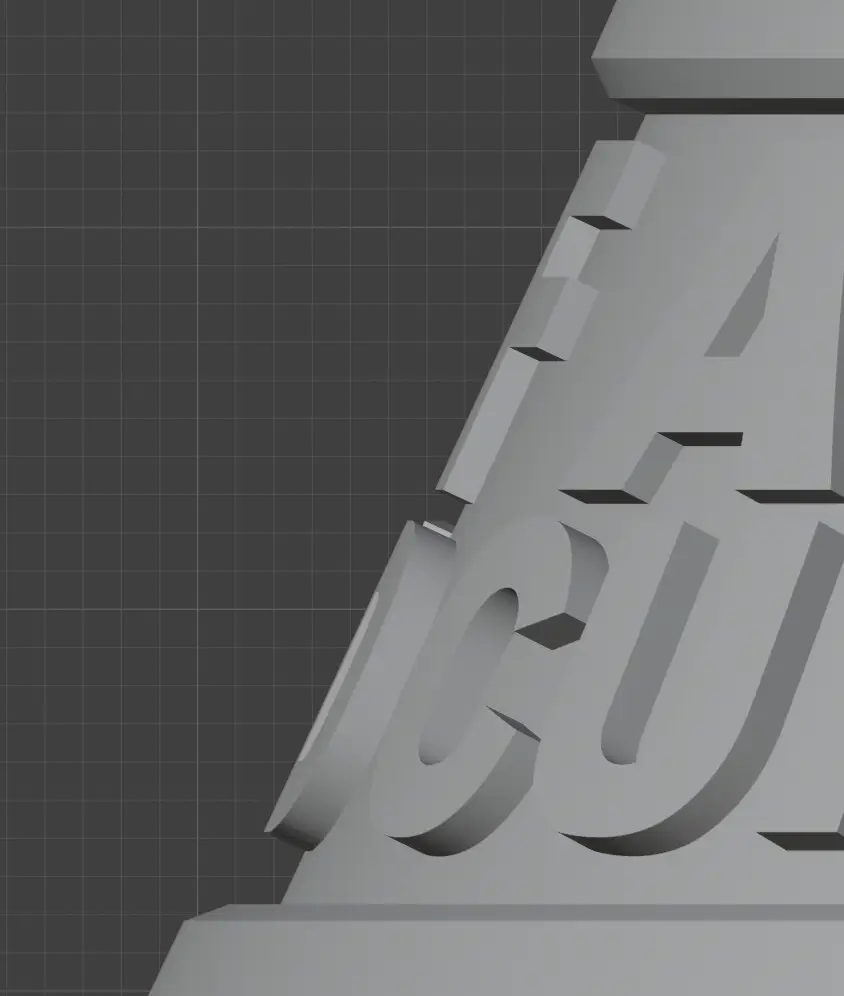
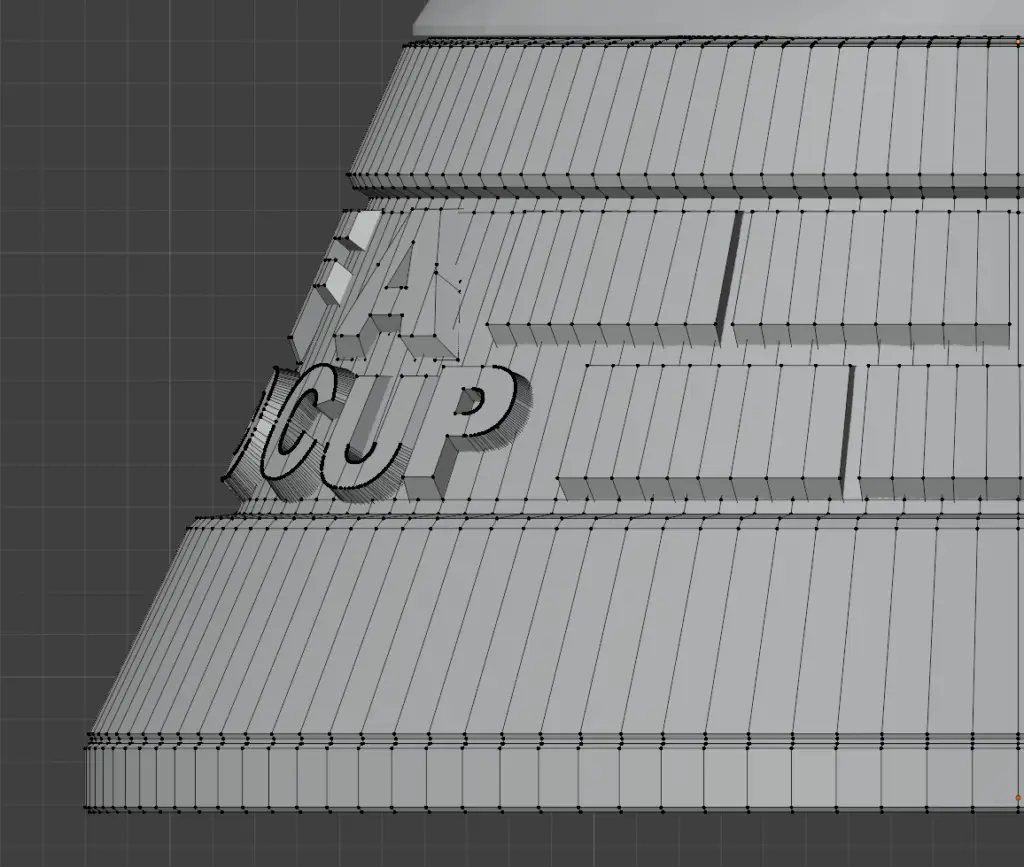
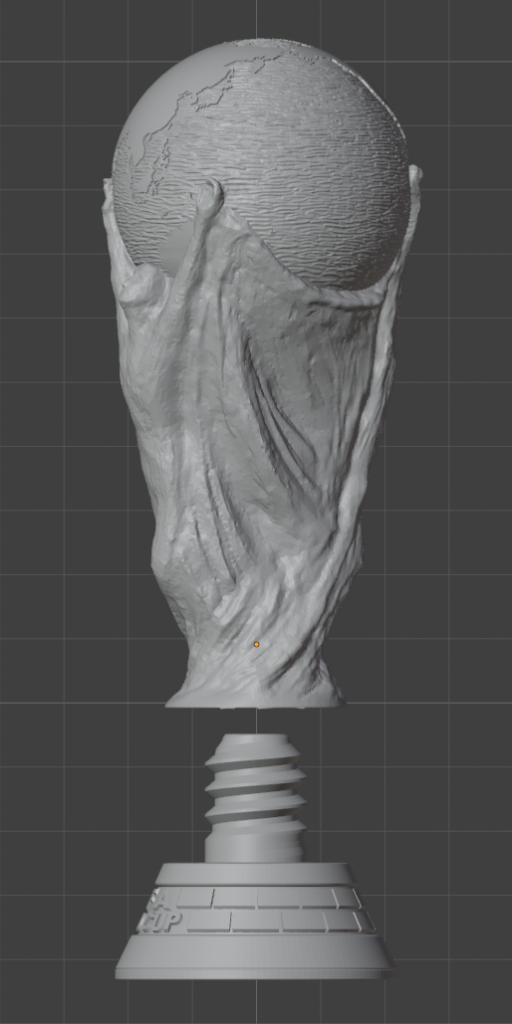
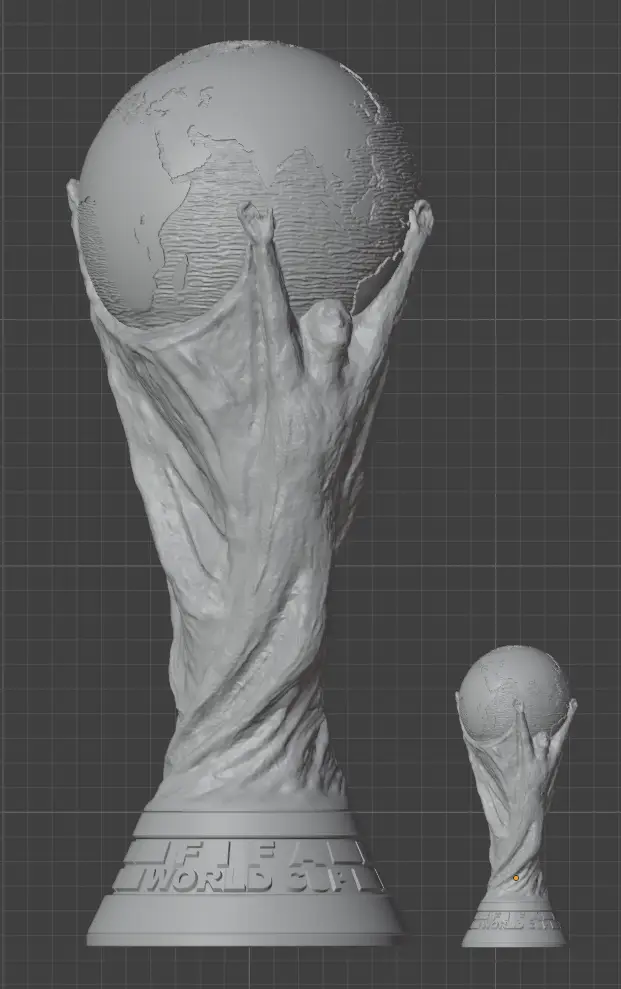
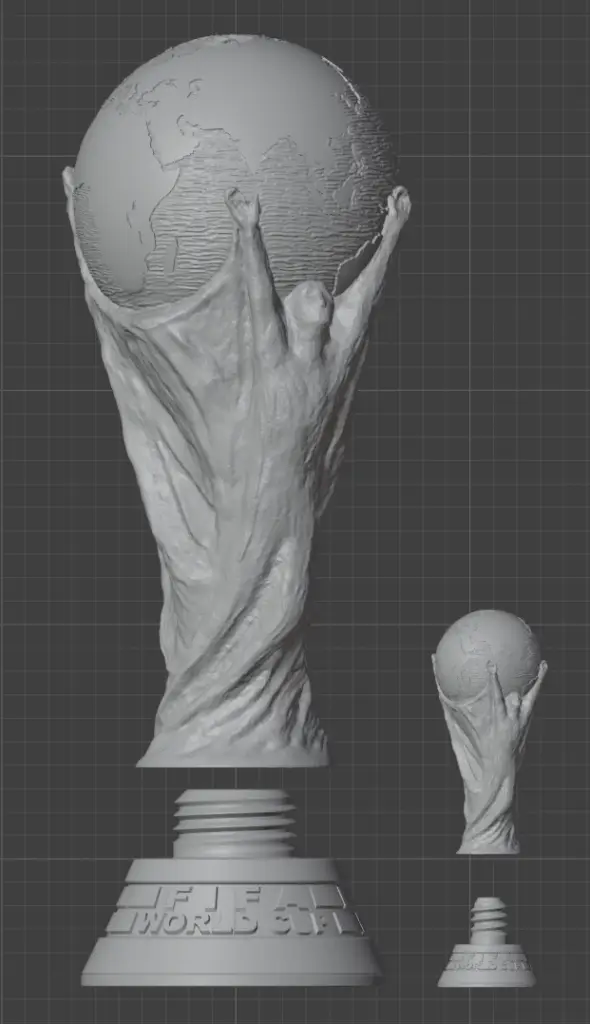
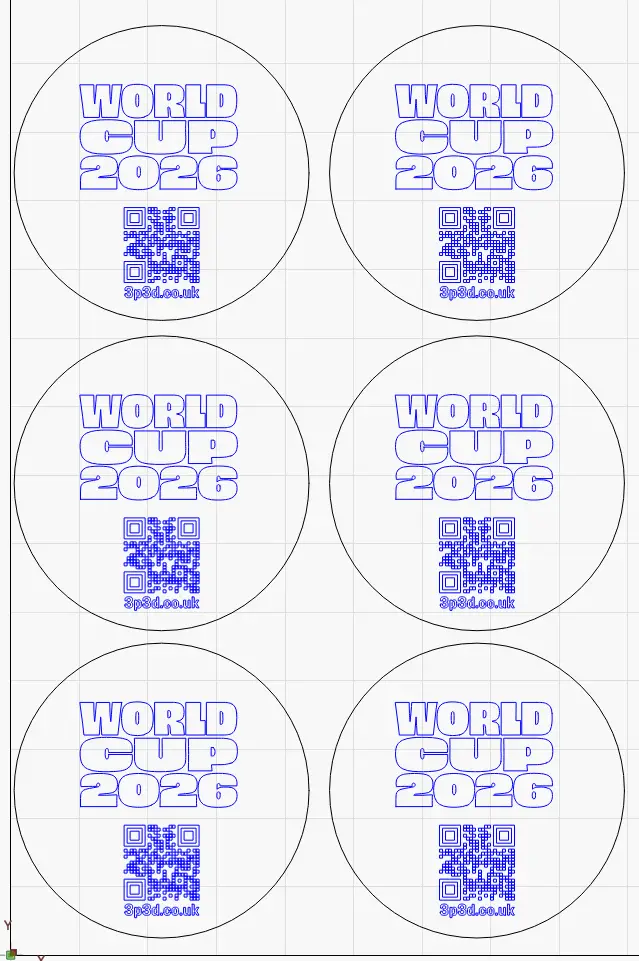
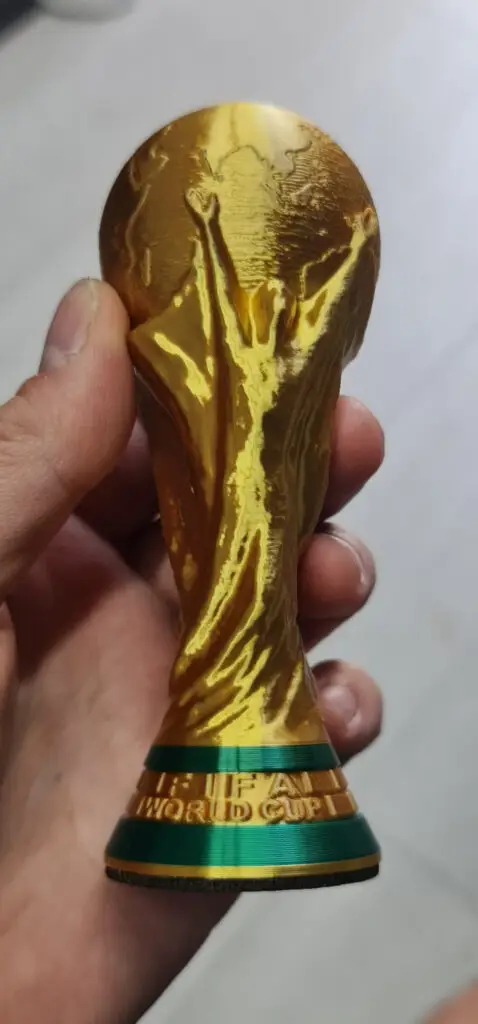
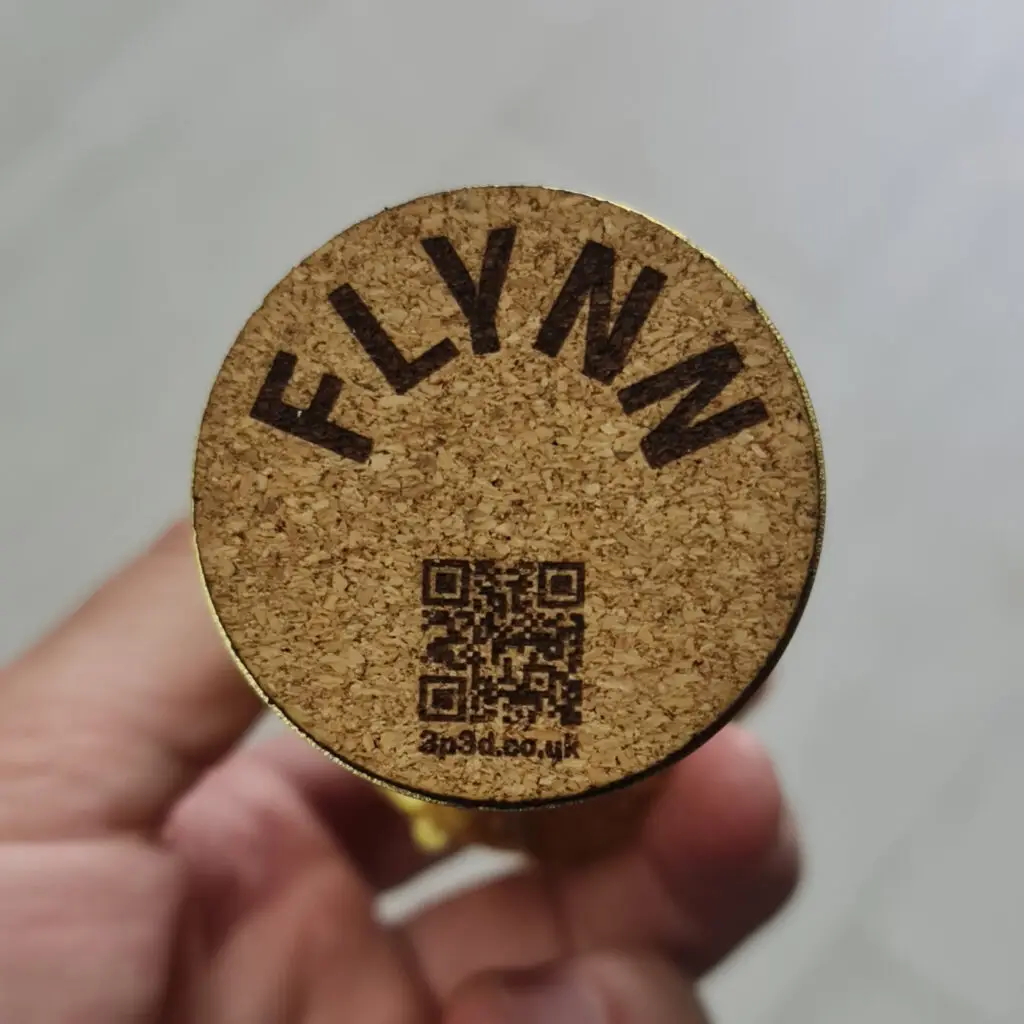
In the run up to the 2026 World Cup finals, a local junior football team wanted to gift their players personalised, miniature World Cup trophies.
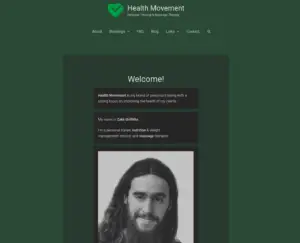
A local personal trainer had an existing website, but was in need of better web hosting. I set them up on our managed hosting platform, now their website performs better than ever.
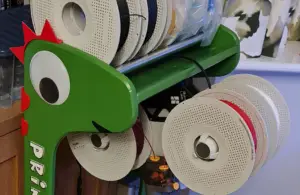
I designed a custom stand for a BambuLab 3D printer, allowing the AMS unit to mount vertically, minimising the desk footprint while also adding a storage drawer and filament storage.
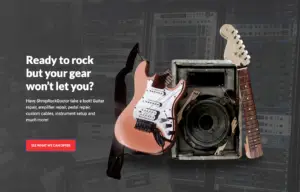
A local instrument repair business was in need of a website to provide a price list and improve customer engagement.